
 Submit an article

Articles
- Page Path
- HOME > J Korean Acad Nurs > Volume 55(2); 2025 > Article
-
Research Paper
한국 중년의 웰다잉(well-dying) 인식 도구 개발: 혼합방법 연구 -
정유진1
 , 최은정2
 - Development of a well-dying awareness scale for middle-aged adults in Korea: a mixed-methods study
-
Yu Jin Jung1, Eun Joung Choi2
-
Journal of Korean Academy of Nursing 2025;55(2):285-300.
DOI: https://doi.org/10.4040/jkan.24121
Published online: March 28, 2025
1경남정보대학교 간호학과
2고신대학교 간호대학
1Department of Nursing, Kyungnam College of Information & Technology, Busan, Korea
2College of Nursing, Kosin University, Busan, Korea
- Corresponding author: Eun Joung Choi College of Nursing, Kosin University, 262 Gamcheon-ro, Seo-gu, Busan 49267, Korea E-mail: jacob7410@kosin.ac.kr
- †This manuscript is a condensed form of the first author’s doctoral dissertation from Kosin University (year of 2022).
• Received: October 15, 2024 • Revised: December 9, 2024 • Accepted: February 2, 2025
© 2025 Korean Society of Nursing Science
This is an Open Access article distributed under the terms of the Creative Commons Attribution NoDerivs License (http://creativecommons.org/licenses/by-nd/4.0) If the original work is properly cited and retained without any modification or reproduction, it can be used and re-distributed in any format and medium.


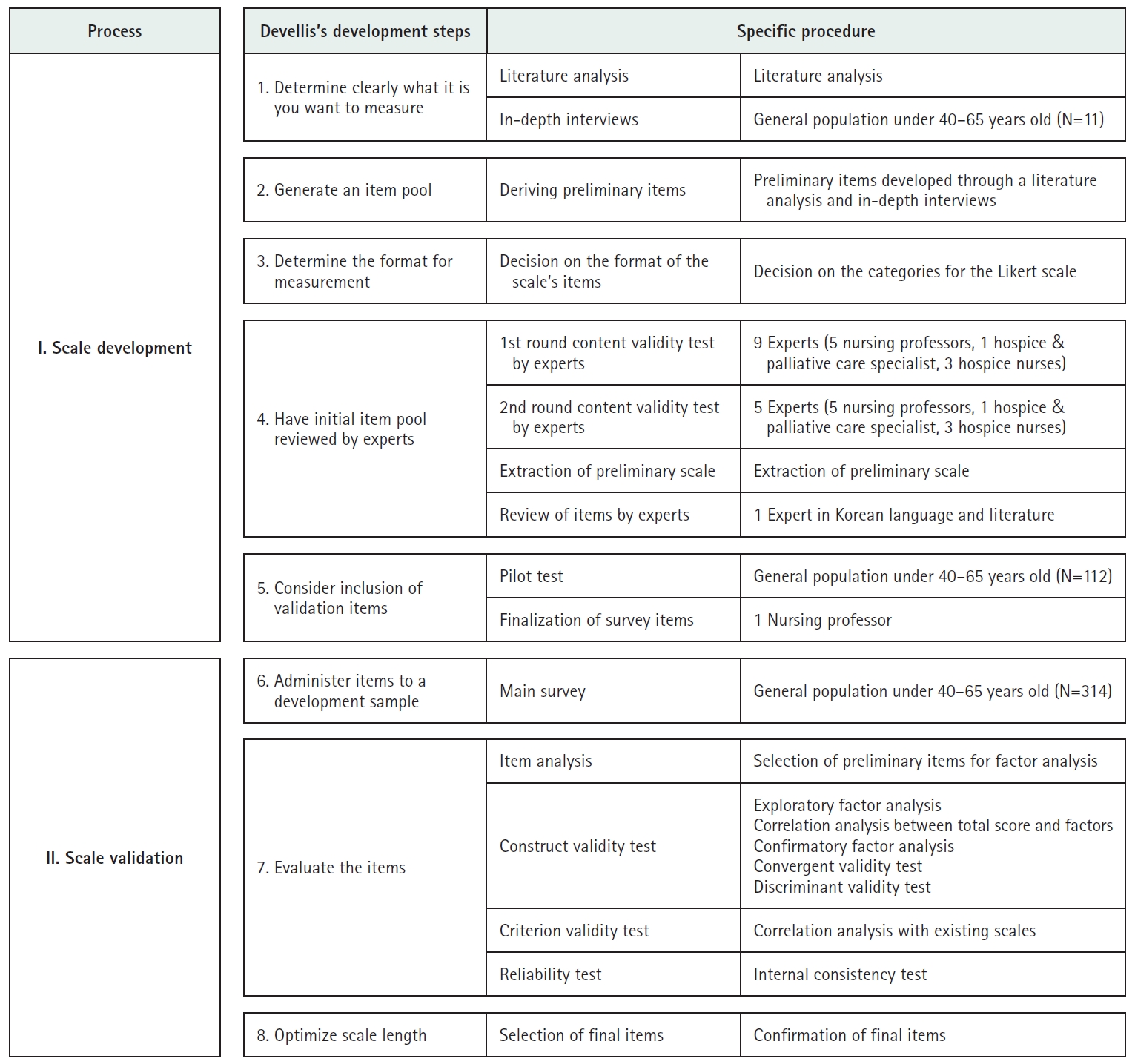
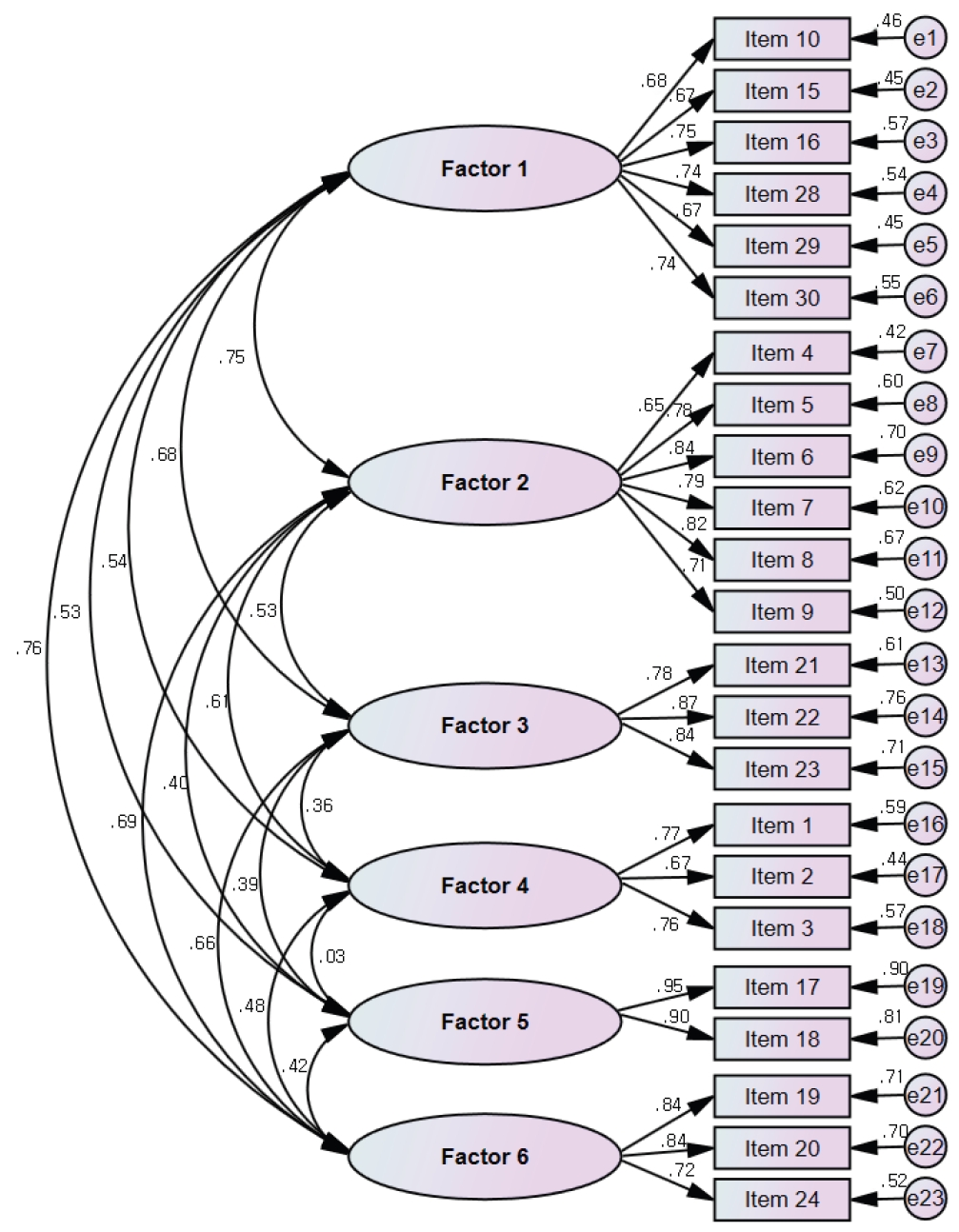
Figure & Data
REFERENCES
Citations
Citations to this article as recorded by 
- The Influence of Self-Esteem and Attitudes toward Organ Donation and Euthanasia on Attitudes toward Advance Directives in Married Middle-Aged Adults:
A Cross-Sectional Study
Eun-Ho Ha
Research in Community and Public Health Nursing.2026; 37: 136. CrossRef
 ePub Link
 Cite
Cite XML Download
- Figure
-
- We recommend
- Related articles
-
- Development of a nurses’ situation awareness scale for clinical deterioration: a methodological study
- Nursing management competencies among nurses in national specialized hospitals in Korea: a mixed-methods study
- Development of an end-of-life care competency scale for nurses in long-term care hospitals: a psychometric validation study
- Development of a scale to measure fear of falling in older adults: a psychometric validation study
Development of a well-dying awareness scale for middle-aged adults in Korea: a mixed-methods study
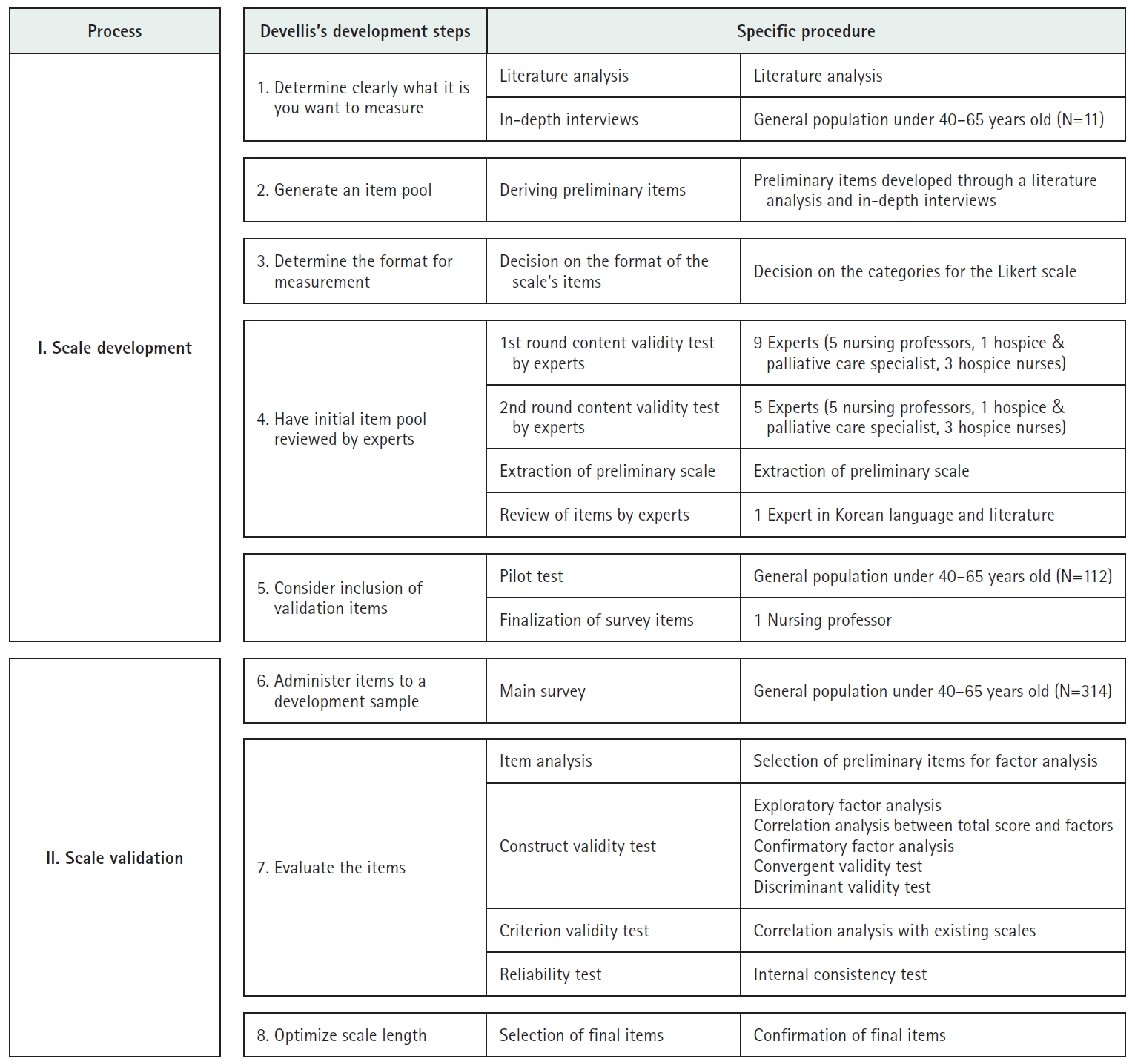
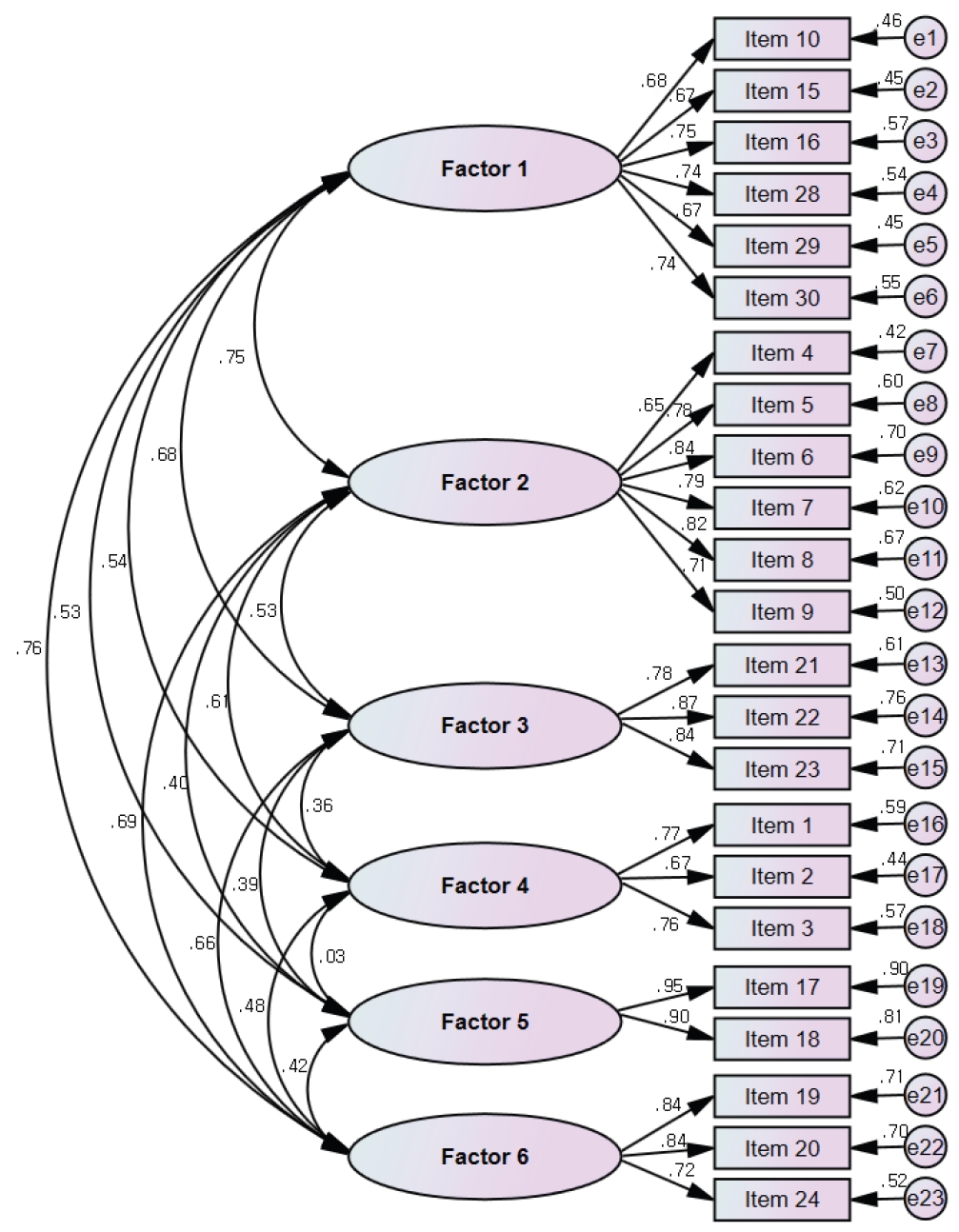
Fig. 1. Stages and procedures for the development of the Well-Dying Awareness scale.
Fig. 2. Results of confirmatory factor analysis (N=314).
Fig. 1.
Fig. 2.
Development of a well-dying awareness scale for middle-aged adults in Korea: a mixed-methods study
| Dimension | Component | Sub-component |
|---|---|---|
| Physical well-dying | Experiencing physical comfort without pain, and passing away as if in sleep | • Death with physical comfort |
| • Death as if sleeping | ||
| No prolonged illness or lengthy dying process; passing away naturally | • Death following the natural order of life | |
| • Death without a long illness or dying process | ||
| Psychological well-dying | Accepting death without fear | • Death that acknowledges the inevitability of death |
| • Death that is reflected upon without fear | ||
| Free from psychological suffering and at peace | • Death free from psychological suffering and at ease | |
| • Death with no regrets or worries | ||
| Psychologically stable and convenient place to pass away | • Death in a place that provides psychological stability | |
| • Convenient location for funeral procedures | ||
| Social well-dying | Fulfilling responsibilities to one’s family without being a burden | • Fulfilling financial and parental responsibilities before death |
| • Death without being a burden on family through caregiving | ||
| • Not financially burdening the family, e.g., with medical costs | ||
| Having a beautiful closure with loved ones, leaving behind cherished memories | • Death with forgiveness and reconciliation, resolving misunderstandings | |
| • Dying with close loved ones around | ||
| • Leaving memories with loved ones | ||
| • Providing an opportunity for filial duty before passing | ||
| Death accepted by those around | • Death accepted by people around | |
| Leaving financial resources for oneself and one’s family | • Having prepared hospital expenses in advance | |
| • Leaving financial resources for the family before death | ||
| Leaving a social legacy | • Death after living a life dedicated to service and good deeds | |
| • Donating organs or body after death | ||
| Putting one’s affairs in order before death | • Letting go of attachments and organizing personal belongings | |
| • Resolving financial debts before passing | ||
| • Resolving emotional debts | ||
| Living fully in the present and achieving one’s goals before death | • Receiving necessary medical care before death | |
| • Fulfilling all desires before passing (living fully before dying) | ||
| • Dying after living life to the fullest | ||
| • Dying after thoroughly maintaining one’s health | ||
| • Dying after achieving one’s goals | ||
| Funeral preparations | • Having funeral preparations in place | |
| • Setting up a will and post-death body arrangements | ||
| Spiritual well-dying | Receiving religious support and having spiritual assurance | • Death with the desired religious support |
| • Death with spiritual certainty from faith | ||
| Individual well-dying | Maintaining independent living until death | • Dying while still physically independent until the end |
| • Dying while maintaining cognitive clarity until the end | ||
| • Dying with independent living until the very end | ||
| Having one’s privacy respected in death | • Death that maintains privacy without revealing any undignified appearance | |
| Choosing how one dies | • Death that reflects one’s personal wishes | |
| • Not placing the burden of death-related decisions on the family | ||
| • Sharing death-related decisions with the family | ||
| • Choosing the location of death | ||
| • Dying in one’s desired manner | ||
| • Death without undergoing futile life-prolonging treatments |
| Item | Factor 1 | Factor 2 | Factor 3 | Factor 4 | Factor 5 | Factor 6 | Communality |
|---|---|---|---|---|---|---|---|
| 14 | .65 | .25 | .06 | .10 | .21 | .12 | .57 |
| 28 | .64 | .17 | .32 | .17 | .06 | .22 | .62 |
| 13 | .64 | .08 | .01 | .20 | .28 | .16 | .56 |
| 30 | .63 | .16 | .20 | .09 | .24 | .29 | .61 |
| 10 | .62 | .34 | .23 | .26 | .00 | -.04 | .62 |
| 29 | .54 | .18 | .21 | .23 | -.03 | .37 | .56 |
| 16 | .53 | .32 | .24 | .10 | .44 | .04 | .65 |
| 15 | .53 | .35 | .46 | -.08 | .08 | .07 | .63 |
| 6 | .17 | .76 | .09 | .23 | .13 | .32 | .79 |
| 8 | .37 | .75 | .06 | .09 | .09 | .18 | .76 |
| 5 | .12 | .75 | .16 | .24 | .28 | .07 | .75 |
| 7 | .29 | .75 | .13 | .10 | -.01 | .21 | .71 |
| 4 | .06 | .59 | .37 | .26 | .23 | .03 | .61 |
| 9 | .39 | .54 | .25 | .27 | .02 | .13 | .59 |
| 23 | .19 | .20 | .81 | .09 | .12 | .14 | .78 |
| 22 | .21 | .19 | .81 | .12 | .03 | .17 | .78 |
| 21 | .08 | .08 | .79 | .10 | .19 | .24 | .74 |
| 32 | .43 | .08 | .54 | .03 | .27 | .05 | .56 |
| 3 | .07 | .14 | .11 | .85 | -.02 | .19 | .79 |
| 1 | .18 | .23 | .05 | .78 | -.07 | .06 | .70 |
| 2 | .33 | .24 | .11 | .64 | .03 | .05 | .59 |
| 17 | .24 | .11 | .18 | -.08 | .88 | .10 | .90 |
| 18 | .17 | .19 | .16 | -.05 | .86 | .14 | .86 |
| 19 | .22 | .26 | .23 | .16 | .20 | .77 | .82 |
| 20 | .23 | .29 | .26 | .10 | .13 | .74 | .78 |
| 24 | .45 | .16 | .41 | .13 | .02 | .51 | .66 |
| Eigenvalue | 10.77 | 2.22 | 1.63 | 1.32 | 1.04 | 1.01 | |
| Explained variance (%) | 15.8 | 14.9 | 12.9 | 8.9 | 8.7 | 8.0 | |
| Cumulative variance (%) | 15.8 | 30.7 | 43.5 | 52.4 | 61.1 | 69.1 | |
| Kaiser-Meyer-Olkin | .92 | ||||||
| Bartlett’s test of sphericity | χ2=5096.03, df=325, p<.001 | ||||||
| Model | Absolute fit index |
Incremental fit index |
||||||||
|---|---|---|---|---|---|---|---|---|---|---|
| χ2 (p) | χ2/df | RMR | RMSEA | GFI | AGFI | NFI | IFI | TLI | CFI | |
| 1 | 902.58 (<.001) | 3.18 | .05 | .08 | .82 | .78 | .83 | .88 | .86 | .88 |
| 2 | 736.89 (<.001) | 3.11 | .05 | .08 | .84 | .80 | .85 | .89 | .87 | .89 |
| 3 | 684.57 (<.001) | 3.20 | .05 | .08 | .84 | .80 | .85 | .89 | .88 | .89 |
| 번호 | 문항 | 전혀 그렇지 않다 | 그렇지 않다 | 보통이다 | 그렇다 | 매우 그렇다 |
|---|---|---|---|---|---|---|
| 1 | 신체적 고통 없이 편안하게 죽는 죽음이다. | 1 | 2 | 3 | 4 | 5 |
| 2 | 수명이 다하는 자연스러운 죽음이다. | 1 | 2 | 3 | 4 | 5 |
| 3 | 투병기간이 길지 않은 죽음이다. | 1 | 2 | 3 | 4 | 5 |
| 4 | 죽음을 수용하며 죽는 죽음이다. | 1 | 2 | 3 | 4 | 5 |
| 5 | 죽음에 대한 두려움이 없는 죽음이다. | 1 | 2 | 3 | 4 | 5 |
| 6 | 마음이 편안한 죽음이다. | 1 | 2 | 3 | 4 | 5 |
| 7 | 남겨질 가족에 대한 걱정 없이 죽는 죽음이다. | 1 | 2 | 3 | 4 | 5 |
| 8 | 삶에 대한 후회가 없는 죽음이다. | 1 | 2 | 3 | 4 | 5 |
| 9 | 마음이 편안한 곳에서 죽는 죽음이다. | 1 | 2 | 3 | 4 | 5 |
| 10 | 가족에게 나의 역할을 다하고 죽는 죽음이다. | 1 | 2 | 3 | 4 | 5 |
| 11 | 나의 죽음을 가족이 수용하는 죽음이다. | 1 | 2 | 3 | 4 | 5 |
| 12 | 베푸는 삶을 살다가 죽는 죽음이다. | 1 | 2 | 3 | 4 | 5 |
| 13 | 내가 원하는 종교적 지지를 받는 죽음이다. | 1 | 2 | 3 | 4 | 5 |
| 14 | 사후세계(천국, 극락 등)에 대한 확신으로 평안함을 누리는 죽음이다. | 1 | 2 | 3 | 4 | 5 |
| 15 | 임종 전까지 내 몸을 스스로 돌볼 수 있는 죽음이다. | 1 | 2 | 3 | 4 | 5 |
| 16 | 임종 전까지 맑은 정신을 유지하는 죽음이다. | 1 | 2 | 3 | 4 | 5 |
| 17 | 연명의료중단과 관련한 나의 의사결정이 반영된 죽음이다. (연명의료중단이란 치료 효과 없이 임종 과정의 기간만을 연장하는 연명의료를 시행하지 아니하거나 중단하기로 하는 결정을 말합니다.) | 1 | 2 | 3 | 4 | 5 |
| 18 | 연명의료중단에 대한 나의 의사결정을 가족에게 짐으로 남기지 않는 죽음이다. | 1 | 2 | 3 | 4 | 5 |
| 19 | 연명의료중단에 대한 나의 의사결정을 가족에게 알리는 죽음이다. | 1 | 2 | 3 | 4 | 5 |
| 20 | 임종 시 마지막 모습이 흉하지 않도록 사생활이 보장되는 죽음이다. | 1 | 2 | 3 | 4 | 5 |
| 21 | 주어진 삶에 최선을 다하고 죽는 죽음이다. | 1 | 2 | 3 | 4 | 5 |
| 22 | 평소 건강관리를 잘하다 죽는 죽음이다 | 1 | 2 | 3 | 4 | 5 |
| 23 | 삶의 목표를 이루고 죽는 죽음이다. | 1 | 2 | 3 | 4 | 5 |
Table 1. Dimensions, components, and sub-components derived from in-depth interviews (N=11)
Table 2. Final results of exploratory factor analysis (N=314)
df, degrees of freedom.
Table 3. Fit indices for the measurement model evaluation (N=314)
AGFI, adjusted goodness of fit index; CFI, comparative fit index; df, degrees of freedom; GFI, goodness of fit index; IFI, incremental fit index; NFI, normed fit index; RMR, root mean square residual; RMSEA, root mean square error of approximation; TLI, Tucker-Lewis index.
역문항 없음. 요인별 문항 번호: 사회적 웰다잉: 10, 11, 12, 21, 22, 23; 심리적 웰다잉: 4, 5, 6, 7, 8, 9; 자율적 웰다잉: 17, 18, 19; 신체적 웰다잉: 1, 2, 3; 영적 웰다잉: 13, 14; 독립적 웰다잉: 15, 16, 20.


