
Skip Navigation
Skip to contents

J Korean Acad Nurs : Journal of Korean Academy of Nursing


Articles

Page Path
HOME > J Korean Acad Nurs > Ahead-of print articles > Article
Research Paper
Effects of a theory-based climate change adaptation education program on oxidative stress and psychosocial outcomes among women of reproductive age: a randomized controlled trial
Su Ji Heo1orcid, Ju Hee Kim2orcid

DOI: https://doi.org/10.4040/jkan.26077
Published online: November 13, 2026

1Division of Control for Zoonotic and Vector Borne Disease, Department of Infectious Disease Policy, Korea Disease Control and Prevention Agency, Cheongju, South Korea

2College of Nursing Science, Kyung Hee University, Seoul, South Korea

Corresponding author: Ju Hee Kim College of Nursing Science, Kyung Hee University, 26 Kyungheedaero, Dongdaemungu, Seoul 02447, South Korea E-mail: juheekim@khu.ac.kr
†This article is a condensed version of the first author’s doctoral dissertation, submitted to Kyung Hee University.
• Received: May 8, 2026   • Revised: July 9, 2026   • Accepted: October 8, 2026

© 2026 Korean Society of Nursing Science

This is an Open Access article distributed under the terms of the Creative Commons Attribution NoDerivs License (http://creativecommons.org/licenses/by-nd/4.0) If the original work is properly cited and retained without any modification or reproduction, it can be used and re-distributed in any format and medium.

  • 79 Views
  • 1 Download
  • Purpose
    This study evaluated the effects of WECARE (Women’s Education Program for Climate Change Adaptation in Reproductive Age), a 4-week intervention based on Roy’s Adaptation Model, on oxidative stress biomarkers and psychosocial adaptation outcomes among women of reproductive age.
  • Methods
    This randomized controlled trial was conducted at a university in Seoul, South Korea, with 50 women of reproductive age included in the final analysis (intervention, n=25; control, n=25). WECARE combined face-to-face sessions, digital card news, and short-form videos; the control group received standard written educational materials. Psychosocial outcomes were assessed at baseline, immediately after the intervention, and at a 2-week follow-up; biomarkers were assessed at baseline and follow-up. The trial was registered with the Clinical Research Information Service (KCT0009821).
  • Results
    Ranked analysis of covariance revealed a significant between-group difference in urinary 8-hydroxydeoxyguanosine (8-OHdG) after adjustment for baseline values (F=7.46, p=.009, partial η2=.14). Levels of 8-OHdG decreased in the intervention group (p<.001) and increased in the control group (p=.042), although these findings warrant cautious interpretation because of the baseline imbalance. Malondialdehyde showed no significant within- or between-group differences. Analysis using generalized estimating equations revealed significant group-by-time interactions for positive psychological capital (χ2=31.57, p<.001), action competence regarding climate change (χ2=19.04, p<.001), and social support (χ2=20.70, p<.001). Improvements in all three psychosocial outcomes were sustained at the 2-week follow-up.
  • Conclusion
    WECARE was associated with a between-group difference in urinary 8-OHdG and improvements in psychosocial adaptation outcomes among women of reproductive age. These findings support integrating climate change adaptation into nursing education curricula.
Climate change represents one of the most pressing environmental challenges of the 21st century, posing profound and multifaceted threats to global public health and health equity. Extreme weather events, including heatwaves, droughts, floods, and increased air pollution, have demonstrated broad and growing impacts on population health worldwide [1]. According to the Centre for Research on the Epidemiology of Disasters, a total of 393 natural hazard-related disasters were recorded globally in 2024, affecting over 167 million people and resulting in nearly US$242 billion in damages [2]. In 2024, annual average temperatures surpassed 1.5°C above pre-industrial levels for the first time, exceeding the previous record set in 2023 [3]. Looking ahead, the UK Met Office projects 2026 will be the fourth consecutive year with global temperatures exceeding 1.4°C above pre-industrial levels, and the World Meteorological Organization estimates an 80% probability that at least 1 year between 2025 and 2029 will exceed 2024 as the warmest year on record and an 86% probability that at least 1 year will exceed 1.5°C above pre-industrial levels [3,4].
The health impacts of climate change manifest through both direct and indirect pathways, with substantial evidence linking climate change to increased incidence of respiratory and cardiovascular conditions, infectious diseases, mental health disorders, and reproductive health problems [1,5]. Of particular concern is the inequitable distribution of these health effects, as women experience disproportionate vulnerability to climate-related stressors due to complex physiological, hormonal, and psychosocial characteristics [6]. Specifically, fluctuations in hormone levels, distinctive body composition, and reproductive cycles contribute to greater biological sensitivity among women to environmental exposures [7]. This vulnerability is particularly pronounced in the context of reproductive health, where heatwaves have emerged as a significant threat. Exposure to extreme heat can compromise thermoregulatory capacity and accelerate the production of reactive oxygen species (ROS), resulting in cellular and molecular damage that adversely affects reproductive cell function [8,9]. These physiological disruptions manifest clinically through increased risk of adverse reproductive outcomes such as infertility, pregnancy complications, low birth weight, miscarriage, and preterm birth [5,10]. The heightened vulnerability of women of reproductive age is further compounded by continuous physiological changes associated with menstruation, pregnancy, childbirth, and lactation [11]. In particular, during pregnancy, elevated metabolic demands and reduced thermoregulatory efficiency further amplify sensitivity to heat exposure, placing pregnant individuals at high risk for climate-related adverse health outcomes [11,12].
Given these documented health risks, addressing the consequences of climate change necessitates the development and implementation of targeted interventions to strengthen adaptive capacity among vulnerable groups, with particular consideration for the unique needs of women of reproductive age [11]. However, effective enhancement of adaptive capacity extends beyond the mere dissemination of information, requiring an integrative approach that encompasses physiological resilience, psychological resources, behavioral competence, and effective social support systems. To guide the development of such comprehensive interventions, theoretical frameworks such as Roy’s Adaptation Model offer valuable guidance [13]. This model conceptualizes adaptation as a dynamic process involving four interrelated adaptive modes: physiological, self-concept, role function, and interdependence. In Roy’s framework, the physiological mode concerns the body’s responses to environmental stimuli through processes such as oxygenation, fluid-electrolyte balance, and the regulation of physiologic stress; the self-concept mode encompasses an individual’s beliefs, feelings, and psychological appraisal of the self; the role function mode refers to the enactment of the social roles a person occupies and the behaviors required to fulfill them; and the interdependence mode addresses relational needs, including the giving and receiving of support within close relationships [13]. The model has been broadly applied in nursing to guide the development of health interventions for vulnerable populations. Prior nursing intervention studies grounded in this model have reported improvements in adaptive outcomes among vulnerable groups, including postpartum women, pregnant women with gestational hypertension, and women with breast cancer, supporting its utility as a framework for structuring multi-domain interventions [14-16]. In the context of climate change adaptation for women of reproductive age, these four modes map directly onto the outcomes examined in this study: the physiological mode corresponds to oxidative stress regulation; the self-concept mode to positive psychological capital; the role function mode to action competence on climate change; and the interdependence mode to perceived social support. This mapping follows directly from the definitional structure of the four modes: because extreme heat and related environmental stressors act on the body largely through oxidative pathways, the physiological mode was operationalized as oxidative stress regulation; because self-appraisal resources such as hope, optimism, self-efficacy, and resilience constitute the self-concept, the self-concept mode was operationalized as positive psychological capital; because fulfilling one’s role as a health-protective individual and prospective mother requires enacting adaptive behaviors, the role function mode was operationalized as action competence on climate change; and because relational support networks constitute the interdependence domain, the interdependence mode was operationalized as perceived social support. This framework thus provides a theoretically coherent basis for designing and evaluating a multi-domain educational intervention. Despite the growing awareness of climate change health risks and the availability of established theoretical frameworks, a substantial gap persists in the development and evaluation of targeted educational interventions. Specifically, there remains a lack of gender-responsive, theoretically grounded educational programs tailored to the physiological and psychosocial complexities of women of reproductive age [11,17]. Current programs typically provide generic information and rarely incorporate measurable biomarkers to assess physiological impact or adopt established nursing frameworks to evaluate behavioral outcomes [17,18].
This gap in evidence-based, theoretically grounded educational interventions represents a critical limitation in our capacity to support vulnerable populations in climate adaptation. From a nursing education perspective, this limitation is particularly significant given nurses’ role as primary health educators and advocates. To address this gap, this randomized controlled trial aimed to evaluate the effectiveness of WECARE, a 4-week, theory-based climate change adaptation education program developed for women of reproductive age, using Roy’s Adaptation Model as the theoretical foundation. It was hypothesized that participation in WECARE would reduce oxidative stress and increase positive psychological capital, action competence regarding climate change, and perceived social support both immediately post-intervention and at follow-up. By integrating objective biomarker measurement with psychosocial outcome assessment, this study contributes novel evidence for theory-driven educational strategies that can inform nursing practice and curricula in the context of environmental health.
1. Study design and setting
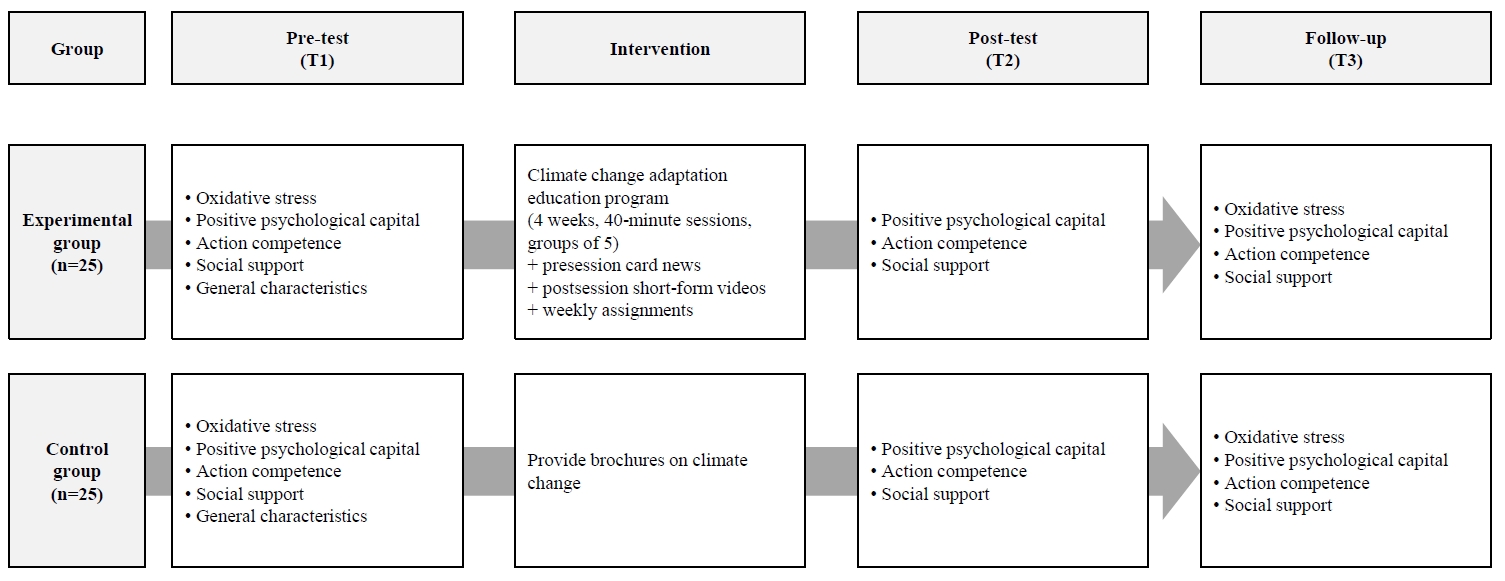
This study employed a randomized controlled trial (RCT) with a pretest-posttest design to evaluate the effectiveness of the WECARE (Women’s Education Program for Climate Change Adaptation in Reproductive Age) program on urinary oxidative stress biomarkers, positive psychological capital, action competence on climate change, and social support among women of reproductive age. The study was conducted at a university in Seoul, South Korea, and data were collected between June and October 2024. Participants were randomly assigned to either the intervention or control group in a 1:1 ratio. The intervention group received the WECARE program, while the control group received standard written educational materials developed by a Korean government agency. Outcome measures were collected at three time points: pre-test (T1; baseline, immediately before the intervention), post-test (T2; immediately after the 4-week intervention), and follow-up (T3; 2 weeks after the intervention), with physiological biomarkers assessed at T1 and T3 and psychosocial outcomes assessed at all three time points.
2. Participants and sample size
Eligible participants were recruited through convenience sampling using online platforms and social media. A recruitment notice containing study details and a QR (quick-response) code linked to Google Forms (Google LLC) was distributed. The target population consisted of healthy women of reproductive age residing in South Korea who met the following inclusion criteria: (1) unmarried women aged 19 to 39 years and (2) intention to become pregnant after marriage. Only women were enrolled because the program was designed around female-specific vulnerability to climate-related stressors: hormonal fluctuations, reproductive cycles, and the physiological demands of future pregnancy and lactation increase women’s biological sensitivity to heat and oxidative stress [6,11], and the preconception period represents a window in which adaptive behaviors may benefit future maternal and fetal health [11]. In addition, climate change concerns have been shown to shape young women’s reproductive intentions [19]. Restricting enrollment to women also reduced sex-related heterogeneity in the urinary oxidative stress biomarkers. This age range was selected to focus on pre-pregnancy health and minimize physiological variability, as this demographic is considered ideal for delivering climate change adaptation education relevant to future maternal health [6,11]. Exclusion criteria were: (1) prior participation in any climate change adaptation education, (2) current treatment for environment-related diseases, and (3) inability to commit to the full duration of the intervention program. Participants with pre-existing environment-related diseases were excluded due to their increased susceptibility to oxidative stress associated with climate change [20,21]. In this study, “healthy” denoted the absence of any physician-diagnosed chronic disease, current pregnancy or lactation, and any ongoing treatment for environment-related conditions, as verified by self-report during screening.
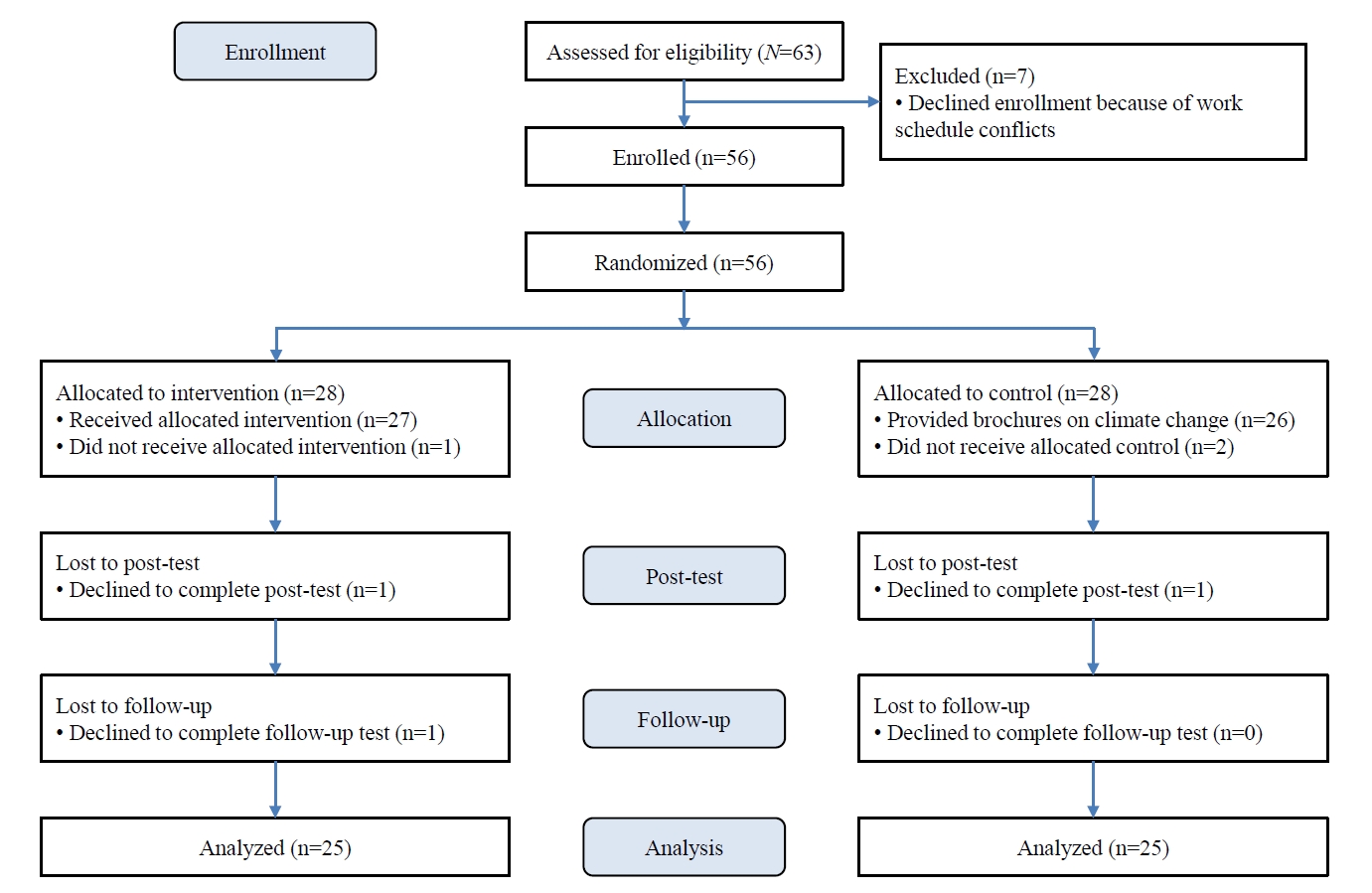
Sample size was calculated a priori at the protocol stage using G*Power ver. 3.1.9.7 (Heinrich-Heine-Universität Düsseldorf). Because the primary analytic interest was the difference in change across the three measurement points between the two groups, the calculation was based on the within–between (group-by-time) interaction of a repeated-measures analysis of variance (ANOVA), which approximates the group-by-time interaction subsequently tested with generalized estimating equations (GEE) using an exchangeable working correlation structure. Assuming a medium effect size (f) of 0.25 according to Cohen’s conventions [22], significance level (α) of 0.05, power (1–β) of 0.90, two groups, three measurement time points, and an assumed correlation of 0.30 among repeated measures, the required sample size was 50 participants. Accounting for an anticipated 20% attrition, recruitment aimed for at least 63 participants; 63 women were subsequently assessed for eligibility (Figure 1).
3. Randomization and blinding
Of the 63 women assessed for eligibility, seven declined to enroll owing to work schedule conflicts; the remaining 56 participants provided informed consent and were randomized to the intervention or control group in a 1:1 allocation ratio (28 intervention, 28 control). A research assistant who was not involved in intervention delivery or outcome assessment generated the allocation sequence using the random number generator function in Microsoft Excel (Microsoft Corp.), thereby ensuring allocation concealment. Participants were assigned unique identification numbers (1–56) in order of enrollment, with group codes predefined as “0” for intervention and “1” for control. Participants were informed of their group assignment only at the commencement of the intervention. Due to the nature of the educational intervention, blinding of participants and intervention facilitators after allocation was not feasible. However, outcome assessors and data analysts remained blinded to group assignments throughout the study to minimize detection bias.
4. Development of the intervention
WECARE was developed through a systematic, theory-driven process incorporating multiple educational and behavioral frameworks. The theoretical foundation was Roy’s Adaptation Model [13], which conceptualizes adaptation across four interrelated modes—physiological, self-concept, role function, and interdependence—and was complemented by goal-setting theory [23], self-efficacy theory [24], social support theory [25], and problem-based learning principles [26]. These frameworks were selected to facilitate adaptive changes in the four core outcome domains: physiological adaptation (oxidative stress), psychological adaptation (positive psychological capital), behavioral adaptation (action competence on climate change), and social adaptation (social support). The development process comprised: (1) a comprehensive literature review on climate change, women’s health, and behavioral adaptation strategies, and (2) in-depth interviews with six women of reproductive age to identify educational needs. Five key educational needs emerged: understanding climate change health impacts, accessing reliable information sources, engaging in adaptive behaviors, recognizing reproductive health risks, and participating in flexible, accessible learning formats.
Based on these findings, WECARE was designed as a 4-week program with weekly 40-minute face-to-face sessions conducted in small groups of five participants. The 4-week duration was determined in consideration of participant burden and feasibility, and in light of prior lifestyle education interventions in women that reported changes in oxidative stress markers over multi-week periods [27]. Each session utilized PowerPoint presentations supplemented with relevant news articles and videos. Educational content covered: climate change definitions and causes, health impacts on women of reproductive age, and practical adaptation strategies including heat stress management. To enhance learning engagement, supplementary materials were provided: (1) five-page digital card news distributed via mobile messenger 1 day before each session to preview content; and (2) short-form videos (less than 60 seconds) delivered individually after each session to reinforce core concepts [28]. Active learning strategies included group discussions, structured feedback, and interactive quizzes, creating a blended learning approach that combined face-to-face and digital elements [29]. The overall structure of WECARE—4 weekly 40-minute small-group (n=5) face-to-face sessions covering climate change causes, its health impacts on women of reproductive age, and adaptation strategies including heat stress management, each reinforced by pre-session card news, post-session short-form videos, and weekly assignments—is summarized in the intervention section of Figure 2.
Content validation was conducted by a six-member expert panel comprising: two professors of environmental and women’s health nursing, two clinical women’s health specialists, and two nurse educators with more than 5 years of clinical experience. The content validity index ranged from .80 to 1.00, confirming high content validity. Expert feedback informed program refinements including: shorter session durations, structured weekly assignments, supplemental multimedia resources, and balanced individual and group learning activities. Prior to full implementation, the finalized program and its supplementary materials were pilot tested with a small group of women of reproductive age who did not participate in the main trial; their feedback on comprehensibility, pacing, and digital delivery was used to make final refinements to the session content and materials.
5. Data collection and outcome measures
Data collection occurred at three predetermined time points: T1 (pre-test, immediately before the intervention), T2 (post-test, immediately after the 4-week intervention), and T3 (follow-up, 2 weeks after the intervention). Consistent with Roy’s Adaptation Model, outcome measures were classified into two domains: (1) physiological adaptation, assessed via urinary oxidative stress biomarkers; and (2) psychosocial adaptation, assessed via positive psychological capital, action competence on climate change, and social support. Physiological biomarkers were collected at T1 and T3 only, given that detectable oxidative stress changes require adequate elapsed time; psychosocial questionnaires were administered at all three time points (T1, T2, T3). At each applicable time point, participants completed a 66-item structured online questionnaire requiring approximately 30 minutes and, where scheduled, provided urine samples for biomarker analysis (Figure 2). All instruments demonstrated acceptable internal consistency reliability in this sample.

1) Physiological adaptation: urinary oxidative stress biomarkers

Physiological adaptation was operationalized through two urinary biomarkers representing distinct oxidative stress pathways: malondialdehyde (MDA), an indicator of lipid peroxidation, and 8-hydroxydeoxyguanosine (8-OHdG), a marker of oxidative DNA damage [30,31]. These two biomarkers were selected because they capture complementary aspects of oxidative injury, lipid membrane damage and genomic oxidative damage, respectively, providing a more comprehensive assessment of climate-related physiological stress than either biomarker alone.
Spot urine samples (approximately 20 mL) were collected at T1 (pre-test) and T3 (follow-up) only. Urine collection was not performed at T2 because the 4-week program duration was considered the minimum interval required to detect biologically meaningful changes in oxidative stress biomarkers. This interval was chosen because urinary oxidative stress biomarkers such as 8-OHdG reflect cumulative oxidative burden and require sustained change in exposure over several weeks before detectable shifts occur, consistent with prior intervention studies that assessed oxidative stress biomarkers over multi-week periods [27,31]. Collection protocols differed by group: intervention participants provided samples during scheduled program visits, while control participants were visited at home at a time of convenience. Midstream urine was collected in 50 mL conical tubes, immediately protected from light with aluminum foil, labeled with participant ID and collection date, and transported in ice-packed specimen bags (2–8°C). All samples were stored at −80°C until analysis by an accredited external laboratory. To account for urine dilution variability, MDA and 8-OHdG concentrations were normalized to urinary creatinine (expressed as μg/g creatinine) [32].

2) Psychosocial adaptation: self-report outcome measures

Psychosocial adaptation was assessed across three domains corresponding to the self-concept, role function, and interdependence adaptive modes of Roy’s Adaptation Model: positive psychological capital, action competence on climate change, and social support, respectively. All psychosocial outcomes were assessed at T1, T2, and T3. Permission to use each instrument was obtained from the original developers prior to the study. All instruments had been validated in Korean populations in previous research; their applicability and clarity for women of reproductive age were further checked during the pilot phase, and their internal-consistency reliability in the present sample is reported below.

(1) Positive psychological capital

Reflecting the self-concept adaptive mode, positive psychological capital was assessed using the Korean Positive Psychological Capital Scale [33], comprising 18 items across four subscales: self-efficacy, optimism, hope, and resilience. Items are rated on a 5-point Likert scale (1=strongly disagree to 5=strongly agree), yielding total scores ranging from 18 to 90, with higher scores indicating greater psychological capital. Cronbach’s α in the present sample was .93, exceeding the original scale’s reported reliability of .82.

(2) Action competence on climate change

Reflecting the role function adaptive mode, action competence on climate change was measured using the Action Competence on Climate Change scale [34]. This 35-item instrument assesses seven domains: climate knowledge, sensitivity, reflection, integrative thinking, communication, decision-making, and behavioral intention. Items are rated on a 5-point Likert scale, yielding total scores ranging from 35 to 175, with higher scores indicating greater behavioral competence. Cronbach’s α in the present sample was .95, comparable to the original scale’s .95.

(3) Social support

Reflecting the interdependence adaptive mode, social support was evaluated using a modified version of social support scale by Song [35], adapted for climate change-related behaviors. The eight-item scale covers four support types: emotional, informational, instrumental, and appraisal support. Items are scored on a 5-point Likert scale, yielding total scores ranging from 8 to 40, with higher scores indicating stronger perceived support. Cronbach’s α in the present sample was .86, compared to .91 in the original scale.
6. Ethical considerations
This study received approval from the Institutional Review Board of Kyung Hee University (Approval No.: KHSIRB-24-209(NA)) and was prospectively registered with the Clinical Research Information Service (Registration No.: KCT0009821). Prior to data collection, all participants received detailed written and verbal explanations of study objectives, procedures, potential risks, and benefits. Written informed consent was obtained from each participant, with explicit assurance of voluntary participation and the right to withdraw at any time without penalty. In accordance with ethical principles, control group participants received the full WECARE program content upon study completion. The study was designed and reported in accordance with the Consolidated Standards of Reporting Trials (CONSORT) guidelines [36].
7. Data analysis
Statistical analyses were performed using IBM SPSS Statistics ver. 29.0 (IBM Corp.). Descriptive statistics summarized participant characteristics. Baseline homogeneity between groups was assessed using chi-square tests for categorical variables and independent t-tests or Mann-Whitney U tests for continuous variables, as appropriate.
Intervention effects were evaluated separately for physiological and psychosocial outcomes, consistent with the two-domain outcome structure. For physiological outcomes, within-group changes in MDA and 8-OHdG from T1 to T3 were examined using Wilcoxon signed-rank tests for each group separately. Due to a statistically significant baseline difference in 8-OHdG between groups (p<.001), ranked analysis of covariance (ranked ANCOVA) was employed for between-group comparison, with baseline 8-OHdG values entered as the covariate. MDA showed no significant baseline difference and was analyzed using the same approach for consistency. Normality was assessed using the Shapiro-Wilk test for each group and time point and for the residuals of a parametric ANCOVA; because these tests indicated departures from normality, ranked ANCOVA was used as the primary between-group analysis, and parametric ANCOVA was performed as a supplementary analysis. Partial eta squared (partial η2) with its 95% confidence interval (CI) was reported as the effect size for each ranked ANCOVA. In the primary analysis, non-detectable biomarker values were entered as zero. To examine the robustness of the biomarker findings, two sensitivity analyses were performed: (1) treating non-detectable values as missing; and (2) additionally excluding urine samples with creatinine concentrations outside 0.3–3.0 g/L, the range generally considered acceptable for creatinine-adjusted spot urine measurements [37]. For psychosocial outcomes, GEE with an exchangeable working correlation structure was used to examine main effects of group, time, and group-by-time interaction across T1, T2, and T3. GEE was selected because it accounts for the correlation among repeated measurements within the same participant and provides robust (sandwich) standard errors (SEs) without requiring the normality and sphericity assumptions of repeated-measures ANOVA. For each outcome, the regression coefficient (B) of the group-by-time interaction, with its SE and 95% CI, was estimated for change from T1 to T2 and from T1 to T3, using the control group and T1 as reference categories. Analyses were performed on participants who completed all scheduled assessments (n=50; complete-case analysis). Significant group-by-time interactions were interpreted as evidence of differential change trajectories between the intervention and control groups. Statistical significance was set at p<.05 (two-tailed) for all analyses.
1. Participant baseline characteristics
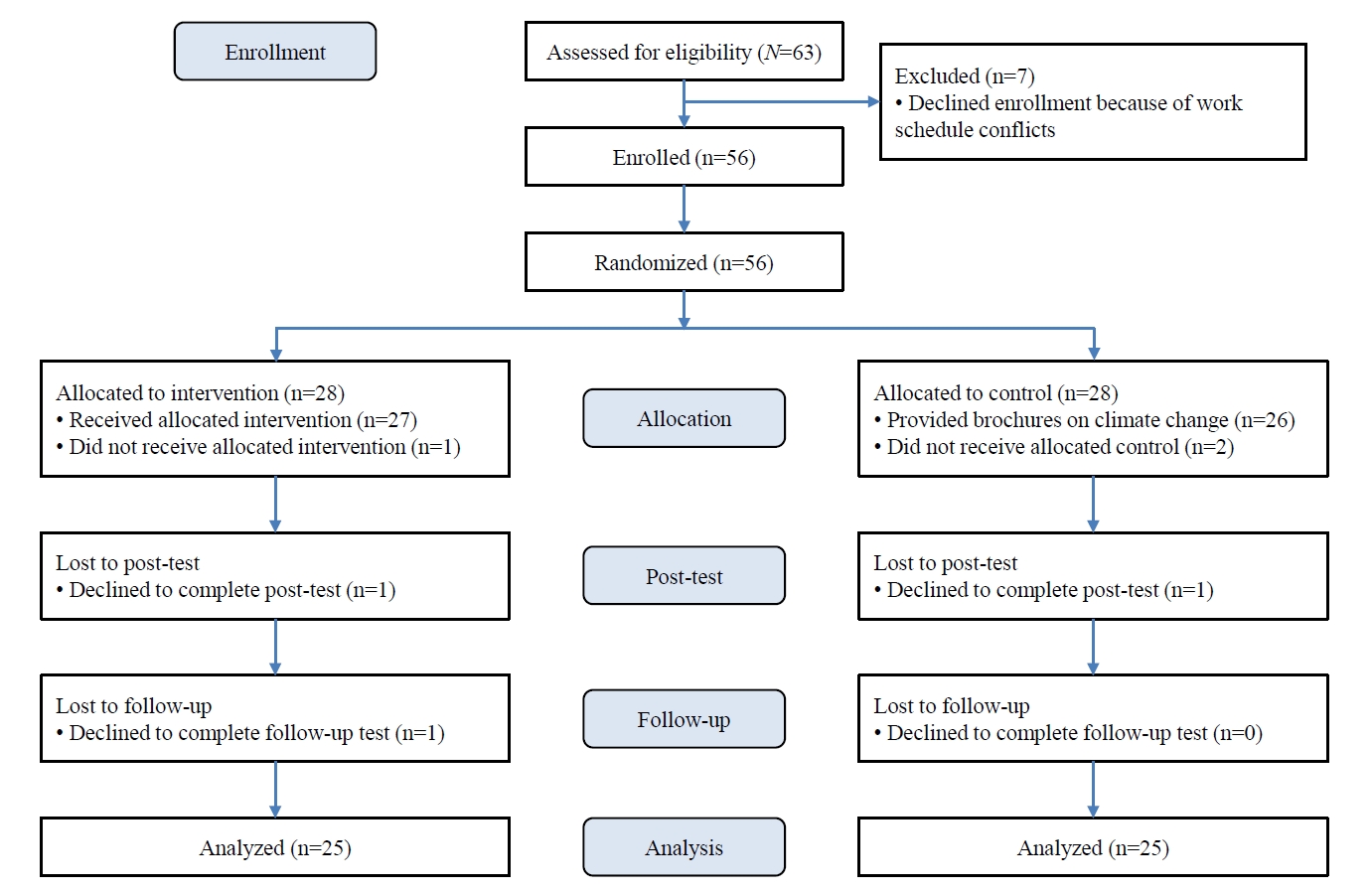
Of 63 women assessed for eligibility, seven declined to enroll owing to work schedule conflicts, and 56 were randomized (28 intervention, 28 control). During the study, six participants discontinued: in the intervention group, one did not receive the allocated intervention, one declined to complete the post-test, and one declined to complete the follow-up test; in the control group, two did not receive the allocated control materials and one declined to complete the post-test. This yielded a final analytic sample of 50 (25 intervention, 25 control) (Figure 1). Baseline demographic characteristics were comparable between groups (Table 1). Participants’ ages ranged from 19 to 39 years, with a mean of 29.8 years (standard deviation [SD]=4.4) in the intervention group and 30.6 years (SD=4.3) in the control group. Most participants had a 4-year university education or above (72.0% intervention vs. 60.0% control) and were employed (64.0% vs. 68.0%); monthly income and residential area were also comparable between groups, and full baseline characteristics are presented in Table 1. No significant between-group differences were observed for any demographic variables (all p>.05).
Regarding baseline outcome measures, positive psychological capital, action competence on climate change, and social support were comparable between groups (all p>.05). Urinary MDA levels were also comparable between groups (Z=−0.30, p=.764). However, 8-OHdG levels differed significantly at baseline (Z=−4.14, p<.001), necessitating the use of ranked ANCOVA with T1 values as a covariate for between-group comparisons of this biomarker.
2. Intervention effectiveness

1) Oxidative stress biomarkers

Within-group changes from T1 to T3 were assessed using Wilcoxon signed-rank tests for each group separately, and between-group differences were examined using ranked ANCOVA. Shapiro-Wilk tests indicated non-normal distributions of MDA in both groups and of 8-OHdG at T1 in the intervention group (p=.005), and the residuals of parametric ANCOVA also deviated from normality (MDA, p<.001; 8-OHdG, p=.035). For MDA, the intervention group showed a decrease (−175.80±586.63 μg/g; Z=−1.06, p=.288), while the control group showed an increase (192.79±1,340.76 μg/g; Z=−0.09, p=.932); neither within-group change was statistically significant. Between-group comparison via ranked ANCOVA likewise revealed no significant group difference (F=0.42, p=.518; partial η2=.01; 95% CI, .00−.12). For 8-OHdG, the intervention group demonstrated a significant reduction (−7.61±6.84 μg/g; Z=−3.97, p<.001), while the control group showed a significant increase (2.85±6.59 μg/g; Z=−2.03, p=.042). Between-group comparison using ranked ANCOVA, however, revealed a significant intervention effect after adjusting for baseline differences (F=7.46, p=.009; partial η2=.14; 95% CI, .01−.32) (Table 2, Supplementary Figure 1). In sensitivity analyses, the between-group difference in 8-OHdG remained significant when non-detectable values were treated as missing (F=10.12, p=.003; partial η2=.18) and when samples with creatinine concentrations outside 0.3–3.0 g/L were additionally excluded (F=14.42, p<.001; partial η2=.28), whereas the between-group difference in MDA remained non-significant in both analyses (Supplementary Table 1). Parametric ANCOVA yielded the same conclusions (8-OHdG, F=9.00, p=.004; MDA, F=2.98, p=.091) (Supplementary Table 2).

2) Psychosocial adaptation outcomes

Positive psychological capital demonstrated no significant main effect of group (χ2=0.11, p=.736), but showed a significant main effect of time (χ2=21.61, p<.001) and a significant time-by-group interaction (χ2=31.57, p<.001); compared with the control group, the intervention group showed greater increases from T1 to T2 (B=5.92; 95% CI, 3.66−8.18) and from T1 to T3 (B=7.08; 95% CI, 4.57−9.59), with improvements sustained at follow-up (Table 3).
Action competence on climate change similarly showed no significant main effect of group (χ2=1.89, p=.170), but demonstrated a significant main effect of time (χ2=18.12, p<.001) and a significant time-by-group interaction (χ2=19.04, p<.001). Compared with the control group, the intervention group showed a significantly greater increase from T1 to T3 (B=4.92; 95% CI, 1.24−8.60), whereas the difference in change from T1 to T2 did not reach statistical significance (B=3.40; 95% CI, −0.10−6.90).
Social support exhibited the strongest effects, with significant main effects for both group (χ2=5.32, p=.021) and time (χ2=25.62, p<.001), as well as a significant time-by-group interaction (χ2=20.70, p<.001). Intervention participants experienced significantly greater increases in perceived social support from T1 to T2 (B=2.76; 95% CI, 1.36−4.16) and from T1 to T3 (B=3.48; 95% CI, 1.93−5.03), which persisted at follow-up (Table 3, Supplementary Figure 1).
This randomized controlled trial evaluated the effectiveness of WECARE, a theory-based educational intervention designed to enhance climate change adaptation among women of reproductive age. Grounded in Roy’s Adaptation Model, the intervention targeted four interrelated adaptive modes, physiological, self-concept, role function, and interdependence, each operationalized through a distinct outcome domain: oxidative stress, positive psychological capital, action competence on climate change, and social support, respectively. The results demonstrated meaningful improvements across the physiological adaptation domain (oxidative stress regulation) and the psychosocial adaptation domain (positive psychological capital, action competence on climate change, and social support), supporting the potential of an integrative, theory-driven intervention model to strengthen adaptive capacity among this vulnerable population. The following discussion examines these findings in relation to existing evidence and their implications for nursing education and practice.
1. Physiological adaptation: oxidative stress outcomes
Oxidative stress arises from an imbalance between the production of ROS and the body’s antioxidant defense capacity, and can be disrupted by environmental exposures such as heat and air pollution, lifestyle factors including diet and physical activity, and psychological stress [20,31,38]. Among women of reproductive age, this balance is further complicated by hormonal fluctuations associated with the menstrual cycle, which may introduce additional biological variability into biomarker measurements [39]. Against this background, the WECARE program targeted key modifiable contributors to oxidative imbalance, specifically, heat stress management strategies and sustainable lifestyle behaviors, within a theoretically coherent educational framework.
The intervention produced differential effects across the two oxidative stress biomarkers. For 8-OHdG, a marker of oxidative DNA damage, the intervention group showed a significant reduction from T1 to T3, whereas the control group showed a significant increase, and between-group comparison using ranked ANCOVA revealed a statistically significant group difference after controlling for the baseline imbalance (F=7.46, p=.009). Because the two groups started from markedly different baseline levels and changed in opposite directions toward each other, this pattern is also compatible with regression to the mean; the finding should therefore be interpreted as an adjusted between-group difference in a urinary biomarker associated with oxidative DNA damage rather than as definitive evidence of reduced oxidative DNA damage. Notably, unadjusted urinary 8-OHdG concentrations did not differ between groups at T1 (p=.187); the baseline difference emerged after creatinine adjustment, as the intervention group had lower urinary creatinine concentrations and more dilute samples (creatinine <0.3 g/L; intervention, n=4 vs. control, n=1) at T1. This suggests that the baseline imbalance may be largely attributable to urine dilution and creatinine adjustment rather than to a failure of randomization. The finding is broadly consistent with prior studies suggesting that lifestyle-focused educational and behavioral interventions, such as dietary education and exercise training, may be accompanied by lower oxidative burden [27,40], although the present design does not permit a causal claim. It is noteworthy, however, that the control group, which had an unusually low 8-OHdG baseline, also showed a significant change in the opposite direction (Z=−2.03, p=.042), suggesting that the observed between-group difference may partly reflect the baseline imbalance rather than an intervention-specific effect alone. Future studies with balanced baseline biomarker levels are needed to confirm this finding.
For MDA, a marker of lipid peroxidation, the intervention group showed a decreasing trend (−175.80±586.63 μg/g) while the control group increased (192.79±1,340.76 μg/g); however, neither within-group change nor the between-group difference reached statistical significance (F=0.42, p=.518). The non-significant MDA result may reflect the high within-group variability observed in both groups, the relatively short follow-up interval, or the distinct biological sensitivity of lipid peroxidation pathways compared to DNA oxidative damage [30,31]. These results are consistent with evidence that 8-OHdG and MDA represent mechanistically distinct oxidative pathways, and that educational interventions may selectively affect one pathway before the other within a 4-week timeframe.
Future studies should consider supplementing educational content with structured physical activity programs or antioxidant-supporting nutritional guidance to further enhance the physiological effects of climate adaptation interventions. This recommendation is grounded in evidence that antioxidant-rich dietary patterns and regular physical activity can lower systemic oxidative burden, including markers of lipid peroxidation [27] and oxidative DNA damage [40]. Because the present 4-week program did not incorporate structured physical activity or dietary components, the non-significant MDA change observed here may partly reflect the absence of these direct physiological levers, suggesting that their integration could strengthen the biomarker-level effects of future climate adaptation interventions. Controlling for potential confounders, including menstrual cycle phase at the time of urine collection, recent dietary intake, and concurrent stress exposure, would also improve the interpretability and reliability of biomarker-based outcomes [39].
2. Psychosocial adaptation: psychological capital, action competence, and social support
The psychosocial outcomes examined in this study correspond to three of Roy’s four adaptive modes: positive psychological capital (self-concept mode), action competence on climate change (role function mode), and social support (interdependence mode). All three demonstrated significant time-by-group interactions, indicating that the WECARE program produced differential improvements that were sustained at the 2-week follow-up.
The intervention group demonstrated statistically significant improvement in positive psychological capital both immediately after the program and at follow-up, with no significant main effect of group at baseline (χ2=0.11, p=.736), confirming that observed changes were attributable to the intervention rather than pre-existing group differences. This finding aligns with previous studies indicating that the four core components of positive psychological capital, self-efficacy, hope, optimism, and resilience, are key factors influencing climate adaptation behaviors, particularly among vulnerable populations [41,42]. The WECARE program was strategically designed to enhance these psychological strengths through clearly defined goals, weekly tasks that were both practical and achievable, and personalized feedback. This process reinforced self-efficacy and motivation by helping participants build confidence in their ability to act effectively in the face of environmental uncertainty. These outcomes were particularly meaningful for women preparing for pregnancy, a life stage in which concerns about environmental health risks and the need for related education are heightened [12,43]. By strengthening all four dimensions of positive psychological capital, the intervention contributed not only to enhanced adaptive capacity but also to participants’ broader emotional well-being. These findings underscore the importance of integrating psychological capital enhancement strategies into climate adaptation programs, especially for populations at heightened vulnerability to environmental stress.
The intervention group also showed a significantly greater improvement in action competence on climate change than the control group at follow-up, although the between-group difference at post-test did not reach statistical significance. This result is consistent with prior evidence that structured, activity-based climate change education can strengthen learners’ capacity to take climate action [44]. Climate change action competence refers to the ability of individuals to translate their knowledge, motivation, and decisions into concrete actions to address climate impacts, and is increasingly recognized as a central goal of environmental education [34]. Consistent with the role function adaptive mode of Roy’s Model, WECARE enhanced this competence by equipping participants with the behavioral repertoire needed to fulfill their roles as health-conscious individuals and future mothers. Specifically, problem-solving tasks and collaborative group activities enabled participants to develop realistic coping strategies and apply theoretical knowledge to daily life. Weekly assignments provided structured opportunities to plan and practice adaptive actions, while supplementary materials such as card news and short-form videos supported ongoing reflection and behavioral engagement. These components collectively contributed to measurable improvements in participants’ readiness to respond to climate risks. Given that climate-related education experience has been associated with higher action competence and that hope is linked to sustained environmental engagement among young people [45,46], and that the adaptive capacity of women of reproductive age can influence maternal and fetal health outcomes [11], incorporating action competence development into educational programs for this population is both clinically relevant and timely.
Finally, the intervention significantly enhanced participants’ perceived social support both immediately after the program and at the 2-week follow-up, with social support being the only psychosocial outcome to demonstrate a significant main effect of group (χ2=5.32, p=.021) in addition to significant time and interaction effects. This pattern suggests that the group-based learning format of WECARE may have fostered inter-participant bonds that created a sustained supportive relational context beyond the intervention itself. This finding is consistent with prior studies highlighting the effectiveness of social support as an intervention strategy to promote behavioral change [47]. Social support, comprising emotional, informational, instrumental, and appraisal components, strengthens adaptive motivation through positive relational experiences and fosters emotional resilience, shared understanding, and sustained behavioral commitment in environmental education contexts [35,48,49]. Reflecting the interdependence adaptive mode of Roy’s Model, the enhancement of social support observed in this study indicates that participants developed stronger relational resources for climate-related coping. The small group format allowed participants to share experiences, receive feedback, and cultivate a sense of community, which may have amplified motivation and sustained adaptive action beyond the intervention period. Strengthening such support networks within families, peer groups, and communities therefore represents a promising lever for facilitating durable climate adaptation behaviors [49,50].
3. Study limitations and strengths
This study has several limitations that should be considered when interpreting the findings. First, participants were recruited through convenience sampling via online platforms from a single university in Seoul, which limits the generalizability of findings to women of reproductive age in other geographic, cultural, or socioeconomic contexts. Future studies should employ probability sampling across diverse regions and settings. Second, the intervention lasted 4 weeks, and follow-up was limited to 2 weeks post-intervention. While significant short-term effects were observed, the durability of these changes over longer periods remains unknown. Future studies should incorporate extended follow-up assessments of at least 3 to 6 months. Third, a significant baseline imbalance in 8-OHdG between groups was detected, which, despite being addressed statistically via ranked ANCOVA, may have influenced the observed between-group effect. The unusually low 8-OHdG baseline in the control group warrants caution in interpreting the biomarker findings, and future trials should stratify randomization by biomarker levels. In addition, several urine samples had non-detectable biomarker concentrations or creatinine concentrations below 0.3 g/L; although the 8-OHdG findings were consistent across sensitivity analyses, these measurement issues may have reduced the precision of the MDA estimates. Fourth, psychosocial outcome measures relied exclusively on self-report instruments, which are subject to social desirability bias and shared method variance. Incorporating objective behavioral measures or ecological momentary assessment in future studies would strengthen causal inference. Fifth, the analysis was restricted to participants who completed all assessments (n=50) rather than all randomized participants (n=56) because outcome data were not collected from the six participants who discontinued, precluding an intention-to-treat analysis, and the sample size was calculated using a repeated-measures ANOVA framework rather than specifically for GEE or ranked ANCOVA; these factors may limit the precision and generalizability of the effect estimates.
Despite these limitations, this study demonstrates several notable strengths. The development of a climate change adaptation education program specifically tailored to the demographic and biological characteristics of women of reproductive age represents a meaningful contribution to gender-responsive environmental health education. The systematic, theory-driven development process, grounded in Roy’s Adaptation Model and validated by a six-member expert panel (CVI: .80–1.00), ensures both theoretical coherence and content validity. The blended learning design integrating face-to-face sessions with digital card news and short-form videos reflects contemporary pedagogical approaches and demonstrates how nursing educators can leverage digital tools to enhance health education outcomes. Critically, the inclusion of objective urinary biomarkers alongside self-report psychosocial measures represents a methodological strength that extends beyond the predominantly subjective outcome assessments characteristic of prior climate health education studies. The observed between-group difference in 8-OHdG, a biomarker related to oxidative DNA damage, after adjustment for baseline imbalance adds a preliminary biological dimension to the program’s demonstrated psychosocial benefits; this finding should nonetheless be interpreted with caution given the baseline group difference and the non-significant within-group change. These findings suggest that WECARE could serve as a replicable framework for developing climate adaptation interventions for other vulnerable populations, including pregnant women, older adults, and community health workers.
From a nursing education perspective, these results validate the continued relevance of established nursing theories, specifically Roy’s Adaptation Model, in addressing emerging public health challenges such as climate change. The program’s demonstrated effectiveness across physiological and psychosocial domains supports the integration of environmental health content, including climate change adaptation, into undergraduate and graduate nursing curricula. Furthermore, the blended learning format provides a practical, scalable model for nursing professional development in resource-varied settings.
In conclusion, this randomized controlled trial suggests that WECARE, a 4-week theory-based educational intervention grounded in Roy’s Adaptation Model, may enhance climate change adaptation capacity among women of reproductive age. The program was associated with a statistically significant between-group difference in urinary 8-OHdG (a biomarker of oxidative DNA damage) after adjustment for baseline imbalance, and with significant improvements in positive psychological capital, action competence on climate change, and social support, with all psychosocial gains sustained at 2-week follow-up, across outcomes aligned with Roy’s four adaptive modes. These findings underscore the value of multi-domain educational strategies that simultaneously address internal adaptive resources and external support systems, with implications extending to maternal, family, and community health. These results should, however, be interpreted in light of the non-significant MDA reduction, the baseline 8-OHdG imbalance between groups, the short follow-up period, and the single-site convenience sample; replication in larger, diverse populations is warranted. For nursing educators and practitioners, WECARE provides a replicable, theoretically grounded framework supporting the integration of climate change adaptation competencies into nursing curricula and community health practice, positioning nurses as evidence-based educators for vulnerable populations facing escalating climate-related health risks.

Conflicts of Interest

No potential conflict of interest relevant to this article was reported.

Acknowledgements

None.

Funding

This research received no external funding.

Data Sharing Statement

Please contact the corresponding author for data availability.

Supplementary Data

Supplementary data to this article can be found online at https://doi.org/10.4040/jkan.26077.

Supplementary Figure 1.

jkan-26077-Supplementary-Figure-1.pdf

Supplementary Table 1.

jkan-26077-Supplementary-Table-1.pdf

Supplementary Table 2.

jkan-26077-Supplementary-Table-2.pdf

Author Contributions

Conceptualization: JHK. Methodology: JHK. Software: none. Validation: SJH. Formal analysis: SJH, JHK. Investigation: SJH, JHK. Resources: none. Data curation: SJH, JHK. Visualization: SJH. Supervision: JHK. Project administration: none. Funding acquisition: none. Writing–original draft: SJH, JHK. Writing–review & editing: SJH, JHK. Final approval of the manuscript: all authors.

Figure 1.
CONSORT (Consolidated Standards of Reporting Trials) flow diagram showing participant recruitment, randomization, and retention.
jkan-26077f1.jpg
Figure 2.
Study timeline and data collection procedures.
jkan-26077f2.jpg
Table 1.
Baseline characteristics and between-group comparisons (N=50)
Characteristic Int. (n=25) Cont. (n=25) χ2, t, or Z p
Age (yr) 29.8±4.4 30.6±4.3 −0.68a) .502
Education 0.80b) .370
 2-year college or below 7 (28.0) 10 (40.0)
 4-year university or above 18 (72.0) 15 (60.0)
Employment status 0.09b) .765
 Yes 16 (64.0) 17 (68.0)
 Noc) 9 (36.0) 8 (32.0)
Monthly income (KRW) 0.73b) .395
 Below 3 million 15 (60.0) 12 (48.0)
 3 million or above 10 (40.0) 13 (52.0)
Area of residence 0.76b) .382
 Metropolitan 14 (56.0) 17 (68.0)
 Non-metropolitan 11 (44.0) 8 (32.0)
Oxidative stress
 MDA (μg/g creatinine) 410.56±554.70 422.15±832.74 −0.30d) .764
 8-OHdG (μg/g creatinine) 14.16±7.89 7.19±2.45 −4.14d) <.001
Positive psychological capital 59.24±11.70 62.60±12.50 −0.98a) .331
Action competence regarding climate change 116.96±22.46 112.56±20.17 0.73a) .470
Social support 23.16±6.39 22.24±5.30 0.55a) .582

Values are presented as mean±standard deviation or number (%).

Cont., control group; Int., intervention group; KRW, South Korean won; MDA, malondialdehyde; 8-OHdG, 8-hydroxydeoxyguanosine.

a)By independent-samples t-test. b)By chi-square test. c)Student or job seeker. d)By Mann-Whitney U test.

Table 2.
Effects of the WECARE intervention on urinary oxidative stress biomarkers (N=50)
Biomarker Baseline (T1) Change (T3−T1) Za) (p) Fb) (p) Partial η2 (95% CI)
mean±SD mean±SD
MDA (μg/g creatinine) 0.42 (.518) .01 (.00–.12)
 Int. 410.56±554.70 −175.80±586.63 −1.06 (.288)
 Cont. 422.15±832.74 192.79±1,340.76 −0.09 (.932)
8-OHdG (μg/g creatinine) 7.46 (.009) .14 (.01–.32)
 Int. 14.16±7.89 −7.61±6.84 −3.97 (<.001)
 Cont. 7.19±2.45 2.85±6.59 −2.03 (.042)

CI, confidence interval; Cont., control group; Int., intervention group; MDA, malondialdehyde; SD, standard deviation; T1, baseline; T3, 2-week follow-up; 8-OHdG, 8-hydroxydeoxyguanosine; WECARE, Women’s Education Program for Climate Change Adaptation in Reproductive Age.

a)By Wilcoxon signed-rank test for within-group change from T1 to T3. b)By ranked analysis of covariance for the between-group comparison, adjusted for the T1 value; the effect size is reported as partial η2 with its 95% CI.

Table 3.
Effects of WECARE on psychosocial adaptation outcomes assessed using generalized estimating equations (N=50)
Variable Int. (n=25) Cont. (n=25) G×T Group χ2 (p) Time χ2 (p) G×T χ2 (p)
mean±SD mean±SD B (SE) 95% CIa)
Positive psychological capital 0.11 (.736) 21.61 (<.001) 31.57 (<.001)
 Baseline (T1) 59.24±11.70 62.60±12.50 Ref Ref
 Post-test (T2) 64.52±8.19 61.96±11.51 5.92 (1.15) 3.66−8.18
 Follow-up (T3) 65.64±7.51 61.92±11.32 7.08 (1.28) 4.57−9.59
Action competence regarding climate change 1.89 (.170) 18.12 (<.001) 19.04 (<.001)
 Baseline (T1) 116.96±22.46 112.56±20.17 Ref Ref
 Post-test (T2) 122.44±18.85 114.64±17.52 3.40 (1.79) −0.10−6.90
 Follow-up (T3) 123.24±18.19 113.92±16.95 4.92 (1.88) 1.24−8.60
Social support 5.32 (.021) 25.62 (<.001) 20.70 (<.001)
 Baseline (T1) 23.16±6.39 22.24±5.30 Ref Ref
 Post-test (T2) 26.12±4.53 22.44±4.46 2.76 (0.71) 1.36−4.16
 Follow-up (T3) 26.28±4.46 21.88±3.63 3.48 (0.79) 1.93−5.03

CI, confidence interval; Cont., control group; G×T, group-by-time interaction; Int., intervention group; Ref, reference category; SD, standard deviation; SE, standard error; T1, baseline; T2, immediately after the intervention; T3, 2-week follow-up; WECARE, Women’s Education Program for Climate Change Adaptation in Reproductive Age.

a)B is the group-by-time interaction coefficient estimated using generalized estimating equations and represents the between-group difference in change from T1.

  • 1. Abbas A, Ekowati D, Suhariadi F, Fenitra RM. Health implications, leaders societies, and climate change: a global review. In: Chatterjee U, Akanwa AO, Kumar S, Singh SK, Dutta Roy A, editors. Ecological footprints of climate change: adaptive approaches and sustainability. Springer; 2023. p. 653-675. https://doi.org/10.1007/978-3-031-15501-7_26
  • 2. Centre for Research on the Epidemiology of Disasters (CRED). 2024 disasters in numbers [Internet]. CRED; 2025 [cited 2026 Sep 23]. Available from: https://files.emdat.be/reports/2024_EMDAT_report.pdf
  • 3. World Meteorological Organization (WMO). WMO global annual to decadal climate update (2025-2029) [Internet]. WMO; 2025 [cited 2026 Sep 23]. Available from: https://wmo.int/files/wmo-global-annual-decadal-climate-update-2025-2029
  • 4. Met Office. 2026 outlook: likely another year above 1.4°C [Internet]. Met Office; 2025 [cited 2026 Sep 23]. Available from: https://www.metoffice.gov.uk/about-us/news-and-media/media-centre/weather-and-climate-news/2025/2026-outlook-likely-another-year-above-1.4c
  • 5. Segal TR, Giudice LC. Systematic review of climate change effects on reproductive health. Fertil Steril. 2022;118(2):215-223. https://doi.org/10.1016/j.fertnstert.2022.06.005ArticlePubMed
  • 6. Pandipati S, Abel DE. Anticipated impacts of climate change on women’s health: a background primer. Int J Gynaecol Obstet. 2023;160(2):394-399. https://doi.org/10.1002/ijgo.14393ArticlePubMed
  • 7. Kim H. Development and validation of the pro-environmental behavior scale for women’s health. J Adv Nurs. 2017;73(5):1235-1244. https://doi.org/10.1111/jan.13233ArticlePubMed
  • 8. Aitken RJ. Oxidative stress and reproductive function. Reproduction. 2022;164(6):E5-E8. https://doi.org/10.1530/REP-22-0368ArticlePubMed
  • 9. Roos N, Kovats S, Hajat S, Filippi V, Chersich M, Luchters S, et al. Maternal and newborn health risks of climate change: a call for awareness and global action. Acta Obstet Gynecol Scand. 2021;100(4):566-570. https://doi.org/10.1111/aogs.14124ArticlePubMed
  • 10. Ruder EH, Hartman TJ, Blumberg J, Goldman MB. Oxidative stress and antioxidants: exposure and impact on female fertility. Hum Reprod Update. 2008;14(4):345-357. https://doi.org/10.1093/humupd/dmn011ArticlePubMedPMC
  • 11. Ha S. The changing climate and pregnancy health. Curr Environ Health Rep. 2022;9(2):263-275. https://doi.org/10.1007/s40572-022-00345-9ArticlePubMedPMC
  • 12. Baharav Y, Nichols L, Wahal A, Gow O, Shickman K, Edwards M, et al. The impact of extreme heat exposure on pregnant people and neonates: a state of the science review. J Midwifery Womens Health. 2023;68(3):324-332. https://doi.org/10.1111/jmwh.13502ArticlePubMed
  • 13. Roy SC. Introduction to nursing: an adaptation model. 2nd ed. Prentice-Hall; 1984. 580 p.
  • 14. Özkan Şat S, Yaman Sözbir Ş. Randomized controlled trial of a mobile health application based on Roy’s adaptation model on postpartum adaptation. Nurs Res. 2023;72(3):E16-E24. https://doi.org/10.1097/NNR.0000000000000647ArticlePubMed
  • 15. Amanak K, Sevil U, Karacam Z. The impact of prenatal education based on the Roy adaptation model on gestational hypertension, adaptation to pregnancy and pregnancy outcomes. J Pak Med Assoc. 2019;69(1):11-17. PubMed
  • 16. Erol Ursavaş F, Karayurt Ö. Effects of a Roy’s adaptation model-guided support group intervention on sexual adjustment, body image, and perceived social support in women with breast cancer. Cancer Nurs. 2021;44(6):E382-E394. https://doi.org/10.1097/NCC.0000000000000854ArticlePubMed
  • 17. Meherali S, Nisa S, Aynalem YA, Kennedy M, Salami B, Adjorlolo S, et al. Impact of climate change on maternal health outcomes: an evidence gap map review. PLOS Glob Public Health. 2024;4(8):e0003540. https://doi.org/10.1371/journal.pgph.0003540ArticlePubMedPMC
  • 18. Hwang JY, Kim J, Kwon HJ, Hwang SS, Kim H, Park S, et al. 2022 National Public Awareness Survey on health impacts of climate change. Public Health Wkly Rep. 2023;16(21):635-651. https://doi.org/10.56786/PHWR.2023.16.21.1ArticlePubMedPMC
  • 19. Smith DM, Sales J, Williams A, Munro S. Pregnancy intentions of young women in Canada in the era of climate change: a qualitative auto-photography study. BMC Public Health. 2023;23(1):766. https://doi.org/10.1186/s12889-023-15674-zArticlePubMedPMC
  • 20. Slimen IB, Najar T, Ghram A, Dabbebi H, Ben Mrad M, Abdrabbah M. Reactive oxygen species, heat stress and oxidative-induced mitochondrial damage: a review. Int J Hyperthermia. 2014;30(7):513-523. https://doi.org/10.3109/02656736.2014.971446ArticlePubMed
  • 21. Münzel T, Daiber A. Environmental stressors and their impact on health and disease with focus on oxidative stress. Antioxid Redox Signal. 2018;28(9):735-740. https://doi.org/10.1089/ars.2017.7488ArticlePubMed
  • 22. Cohen J. Statistical power analysis for the behavioral sciences. 2nd ed. Lawrence Erlbaum Associates; 1988. 567 p.
  • 23. Locke EA, Latham GP. A theory of goal setting and task performance. Prentice-Hall; 1990. 413 p.
  • 24. Bandura A. Self-efficacy: toward a unifying theory of behavioral change. Adv Behav Res Ther. 1978;1(4):139-161. https://doi.org/10.1016/0146-6402(78)90002-4Article
  • 25. House JS. Work stress and social support. Addison-Wesley; 1983. 156 p.
  • 26. Barrows HS, Tamblyn RM. Problem-based learning: an approach to medical education. Springer; 1980. 206 p.
  • 27. Choi S, Choi S, Kwak C, Lee H. The effects of Korean DASH diet education program on oxidative stress, antioxidant capacity, and serum homocysteine level among elderly Korean women. J Korean Biol Nurs Sci. 2017;19(3):141-150. https://doi.org/10.7586/jkbns.2017.19.3.141Article
  • 28. Jang HS. A study on the motivation, satisfaction, and intention of continuous use of short form platform video by generation [master’s thesis]. Seoul: Hongik University; 2023.
  • 29. Yeom IS. Development and effects of salutogenesis program for adolescents with moyamoya disease [dissertation]. Seoul: Korea University; 2019.
  • 30. Tugasworo D, Prasetyo A, Kurnianto A, Retnaningsih R, Andhitara Y, Ardhini R, et al. Malondialdehyde (MDA) and 8-hydroxy-2′-deoxyguanosine (8-OHdG) in ischemic stroke: a systematic review. Egypt J Neurol Psychiatry Neurosurg. 2023;59(1):87. https://doi.org/10.1186/s41983-023-00688-6Article
  • 31. Marrocco I, Altieri F, Peluso I. Measurement and clinical significance of biomarkers of oxidative stress in humans. Oxid Med Cell Longev. 2017;2017:6501046. https://doi.org/10.1155/2017/6501046ArticlePubMedPMC
  • 32. O'Brien KM, Upson K, Cook NR, Weinberg CR. Environmental chemicals in urine and blood: improving methods for creatinine and lipid adjustment. Environ Health Perspect. 2016;124(2):220-227. https://doi.org/10.1289/ehp.1509693ArticlePubMedPMC
  • 33. Lim TH. Validation of the Korean version of positive psychological capital (K-PPC). J Coach Dev. 2014;16(3):157-166.
  • 34. Baek S, Shin H, Kim C. Development of an instrument for measuring action competence on climate change within high school students. J Korean Assoc Sci Educ. 2021;41(6):533-542.
  • 35. Song E. The effects of green commitment and social support on consumers’ environment-friendly practice actions. Consum Polic Educ Rev. 2020;16(1):65-88. https://doi.org/10.15790/cope.2020.16.1.065Article
  • 36. Schulz KF, Altman DG, Moher D; CONSORT Group. CONSORT 2010 statement: updated guidelines for reporting parallel group randomized trials. BMJ. 2010;340:c332. https://doi.org/10.1136/bmj.c332ArticlePubMedPMC
  • 37. World Health Organization. Biological monitoring of chemical exposure in the workplace: guidelines. World Health Organization; 1996.
  • 38. Kim JH, Moon N, Heo SJ, Jeong YW, Kang DR. Repeated measurements and mixture effects of urinary bisphenols, parabens, polycyclic aromatic hydrocarbons, and other chemicals on biomarkers of oxidative stress in pre- and postpartum women. Environ Pollut. 2024;342:123057. https://doi.org/10.1016/j.envpol.2023.123057ArticlePubMed
  • 39. Browne RW, Bloom MS, Schisterman EF, Hovey K, Trevisan M, Wu C, et al. Analytical and biological variation of biomarkers of oxidative stress during the menstrual cycle. Biomarkers. 2008;13(2):160-183. https://doi.org/10.1080/13547500701775563ArticlePubMedPMC
  • 40. Seok M, Shin Y. The effect of 16 weeks combined exercise training on lipid metabolism and DNA damage in middle-aged diabetic women. Exerc Sci. 2012;21(2):201-212. https://doi.org/10.15857/ksep.2012.21.2.201Article
  • 41. Chipfupa U, Tagwi A, Wale E. Psychological capital and climate change adaptation: empirical evidence from smallholder farmers in South Africa. Jamba. 2021;13(1):1061. https://doi.org/10.4102/jamba.v13i1.1061ArticlePubMedPMC
  • 42. Mirzaei A, Azarm H, Yazdanpanah M; Mardani Najafabadi M. Socio-economic, social-capital, and psychological characteristics and climate change adaptive behavior of farmers in Iran. Clim Res. 2022;87:1-12. https://doi.org/10.3354/cr01683Article
  • 43. Jeong GH, Kim HK. Pro-environmental health behaviour and educational needs among pregnant women: a cross-sectional survey. J Adv Nurs. 2020;76(7):1638-1646. https://doi.org/10.1111/jan.14346ArticlePubMed
  • 44. Park WY, Kim CJ. The impact of project activities on the cultivation of ecological citizenship in a high school climate change club. Asia-Pac Sci Educ. 2020;6(1):41-69. https://doi.org/10.1163/23641177-bja00005Article
  • 45. Park HJ, Yun SM, Park DH. The effect of tourism college students’ action competence for climate change: focusing on the moderating effect of climate-related education experience. Korean J Hosp Tour. 2022;31(8):173-190. https://doi.org/10.24992/kjht.2022.12.31.08.173Article
  • 46. Ojala M. Hope and climate change: the importance of hope for environmental engagement among young people. Environ Educ Res. 2012;18(5):625-642. https://doi.org/10.1080/13504622.2011.637157Article
  • 47. Cho E, Lee K. Effects of social support program for adult learners on career future adaptability. Korean J Hum Resour Dev Q. 2015;17(4):77-104. https://doi.org/10.18211/kjhrdq.2015.17.4.004Article
  • 48. Galway LP, Beery T, Buse C, Gislason MK. What drives climate action in Canada’s provincial north?: exploring the role of connectedness to nature, climate worry, and talking with friends and family. Climate. 2021;9(10):146. https://doi.org/10.3390/cli9100146Article
  • 49. Aldrich DP, Page-Tan CM, Paul CJ. Social capital and climate change adaptation. In: von Storch H, editor. Oxford Research Encyclopedia of Climate Science. Oxford Academic; 2016. https://doi.org/10.1093/acrefore/9780190228620.013.342
  • 50. Valdez RX, Peterson MN, Stevenson KT. How communication with teachers, family and friends contributes to predicting climate change behaviour among adolescents. Envir Conserv. 2018;45(2):183-191. https://doi.org/10.1017/s0376892917000443Article

Figure & Data

REFERENCES

    Citations

    Citations to this article as recorded by  

      • Cite
        CITE
        export Copy Download
        Close
        Download Citation
        Download a citation file in RIS format that can be imported by all major citation management software, including EndNote, ProCite, RefWorks, and Reference Manager.

        Format:
        • RIS — For EndNote, ProCite, RefWorks, and most other reference management software
        • BibTeX — For JabRef, BibDesk, and other BibTeX-specific software
        Include:
        • Citation for the content below
        Effects of a theory-based climate change adaptation education program on oxidative stress and psychosocial outcomes among women of reproductive age: a randomized controlled trial
        Close
      • XML DownloadXML Download
      Figure
      • 0
      • 1
      We recommend
      Related articles
      Effects of a theory-based climate change adaptation education program on oxidative stress and psychosocial outcomes among women of reproductive age: a randomized controlled trial
      Image Image
      Figure 1. CONSORT (Consolidated Standards of Reporting Trials) flow diagram showing participant recruitment, randomization, and retention.
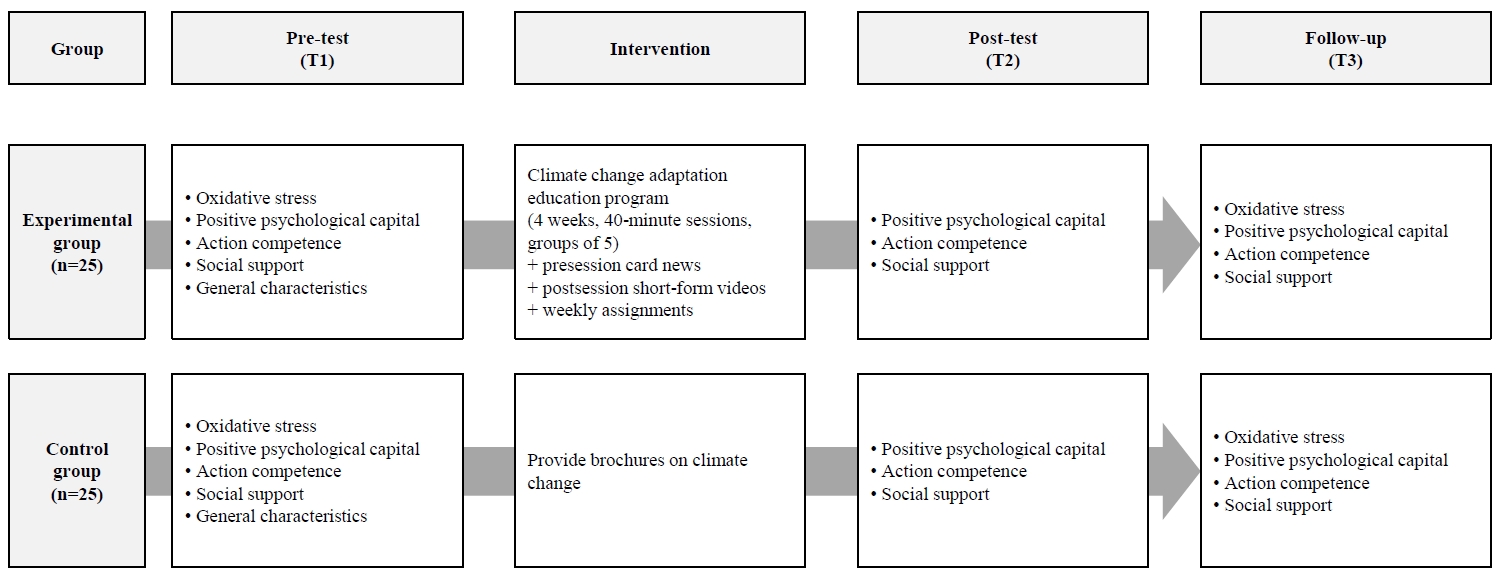
      Figure 2. Study timeline and data collection procedures.
      Effects of a theory-based climate change adaptation education program on oxidative stress and psychosocial outcomes among women of reproductive age: a randomized controlled trial
      Characteristic Int. (n=25) Cont. (n=25) χ2, t, or Z p
      Age (yr) 29.8±4.4 30.6±4.3 −0.68a) .502
      Education 0.80b) .370
       2-year college or below 7 (28.0) 10 (40.0)
       4-year university or above 18 (72.0) 15 (60.0)
      Employment status 0.09b) .765
       Yes 16 (64.0) 17 (68.0)
       Noc) 9 (36.0) 8 (32.0)
      Monthly income (KRW) 0.73b) .395
       Below 3 million 15 (60.0) 12 (48.0)
       3 million or above 10 (40.0) 13 (52.0)
      Area of residence 0.76b) .382
       Metropolitan 14 (56.0) 17 (68.0)
       Non-metropolitan 11 (44.0) 8 (32.0)
      Oxidative stress
       MDA (μg/g creatinine) 410.56±554.70 422.15±832.74 −0.30d) .764
       8-OHdG (μg/g creatinine) 14.16±7.89 7.19±2.45 −4.14d) <.001
      Positive psychological capital 59.24±11.70 62.60±12.50 −0.98a) .331
      Action competence regarding climate change 116.96±22.46 112.56±20.17 0.73a) .470
      Social support 23.16±6.39 22.24±5.30 0.55a) .582
      Biomarker Baseline (T1) Change (T3−T1) Za) (p) Fb) (p) Partial η2 (95% CI)
      mean±SD mean±SD
      MDA (μg/g creatinine) 0.42 (.518) .01 (.00–.12)
       Int. 410.56±554.70 −175.80±586.63 −1.06 (.288)
       Cont. 422.15±832.74 192.79±1,340.76 −0.09 (.932)
      8-OHdG (μg/g creatinine) 7.46 (.009) .14 (.01–.32)
       Int. 14.16±7.89 −7.61±6.84 −3.97 (<.001)
       Cont. 7.19±2.45 2.85±6.59 −2.03 (.042)
      Variable Int. (n=25) Cont. (n=25) G×T Group χ2 (p) Time χ2 (p) G×T χ2 (p)
      mean±SD mean±SD B (SE) 95% CIa)
      Positive psychological capital 0.11 (.736) 21.61 (<.001) 31.57 (<.001)
       Baseline (T1) 59.24±11.70 62.60±12.50 Ref Ref
       Post-test (T2) 64.52±8.19 61.96±11.51 5.92 (1.15) 3.66−8.18
       Follow-up (T3) 65.64±7.51 61.92±11.32 7.08 (1.28) 4.57−9.59
      Action competence regarding climate change 1.89 (.170) 18.12 (<.001) 19.04 (<.001)
       Baseline (T1) 116.96±22.46 112.56±20.17 Ref Ref
       Post-test (T2) 122.44±18.85 114.64±17.52 3.40 (1.79) −0.10−6.90
       Follow-up (T3) 123.24±18.19 113.92±16.95 4.92 (1.88) 1.24−8.60
      Social support 5.32 (.021) 25.62 (<.001) 20.70 (<.001)
       Baseline (T1) 23.16±6.39 22.24±5.30 Ref Ref
       Post-test (T2) 26.12±4.53 22.44±4.46 2.76 (0.71) 1.36−4.16
       Follow-up (T3) 26.28±4.46 21.88±3.63 3.48 (0.79) 1.93−5.03
      Table 1. Baseline characteristics and between-group comparisons (N=50)

      Values are presented as mean±standard deviation or number (%).

      Cont., control group; Int., intervention group; KRW, South Korean won; MDA, malondialdehyde; 8-OHdG, 8-hydroxydeoxyguanosine.

      a)By independent-samples t-test. b)By chi-square test. c)Student or job seeker. d)By Mann-Whitney U test.

      Table 2. Effects of the WECARE intervention on urinary oxidative stress biomarkers (N=50)

      CI, confidence interval; Cont., control group; Int., intervention group; MDA, malondialdehyde; SD, standard deviation; T1, baseline; T3, 2-week follow-up; 8-OHdG, 8-hydroxydeoxyguanosine; WECARE, Women’s Education Program for Climate Change Adaptation in Reproductive Age.

      a)By Wilcoxon signed-rank test for within-group change from T1 to T3. b)By ranked analysis of covariance for the between-group comparison, adjusted for the T1 value; the effect size is reported as partial η2 with its 95% CI.

      Table 3. Effects of WECARE on psychosocial adaptation outcomes assessed using generalized estimating equations (N=50)

      CI, confidence interval; Cont., control group; G×T, group-by-time interaction; Int., intervention group; Ref, reference category; SD, standard deviation; SE, standard error; T1, baseline; T2, immediately after the intervention; T3, 2-week follow-up; WECARE, Women’s Education Program for Climate Change Adaptation in Reproductive Age.

      a)B is the group-by-time interaction coefficient estimated using generalized estimating equations and represents the between-group difference in change from T1.


      J Korean Acad Nurs : Journal of Korean Academy of Nursing
      Close layer
      TOP